ML 450–AAIS HOME-BASED BUSINESS COVERAGE PART
(May 2024)
|
Menu Exclusions That Apply To
Property Coverages How Much We Pay For Loss Or
Claim |
This coverage part supplements several property programs
offered by the American Association of Insurance Services (AAIS) and, like
those forms, it is simply and logically structured.
The protection provided by the coverage part is extremely
valuable. Insurers typically are careful to apply their policy exclusions
regarding business exposures that exist in residences; both property and
liability losses connected to business activity are likely to be denied in the
absence of such an endorsement.
Related Court Case: Business Pursuits Exclusion
Held Applicable To Wedding Reception Services
Note: All references
to a declarations page, unless specified otherwise, mean the Home-Based
Business Supplemental Declarations Page.
TABLE OF CONTENTS
The table of contents that appears in this policy also
appears above as this article’s index.
AGREEMENT
The policy's opening language states that the coverage
part’s protection is subject to the applicable terms of it as well as the
policy to which it is attached. The coverage part will provide property,
liability and other insurance coverages that are described in the part. The
coverage applies to the business described in the supplemental declarations
page WHEN that business is operated on the covered premises by the insured.
Related Court Case: Extended
Rental, Not Business Use
Related Articles:
DEFINITIONS
The
definitions section appears immediately after the Agreement.
1. You and Your
These
words refer to the entity, named as the insured, that appears on the coverage
part’s declarations page.
2. Limit
The coverage part refers to the
amount of insurance that applies but this term does not apply if the policy that
the part is attached to already defines this term.
3. Perishable Stock
The
term means property that belongs to the operation that is protected by the
coverage part. This property must be kept under controlled conditions which, if
the conditions change, could imperil the property.
4. Pollutant
Any solid, liquid, gaseous,
thermal, or radioactive irritant or contaminant, including acids, alkalis,
chemicals, fumes, smoke, soot, vapor, and waste. Also, electrical, magnetic, or
electromagnetic particles or fields, visible or invisible, plus emitted sound.
Waste is defined broadly, including all material that is redistributed for
disposal, recycling, reconditioning, and reclaiming.
Note: This definition applies only in absence of a definition in
the accompanying policy.
Related Court Case:
Pollution Exclusion Held Applicable To Damage Caused By Sealant Fumes
POLICY CONDITIONS
1. Conditions under item one are applicable to this form’s Property
and Liability sections.
a. Examination of Books and
Records
The insurer notifies the insured of
its right to review and even audit any records that are relevant to the
business that is protected by the coverage part. Such exams or reviews may take
place during the policy period and up to three years after the part’s coverage
has expired.
|
Example: Hearty
Property Ins. sends a representative to the Johnsons’ home on 4/11/24. He
asks for permission to review their 2022 records for the copier repair
service they run out of their home. Hearty’s last HO policy that included the
Home-Based business coverage part was from July 15, 2022, to July 15, 2023.
The insurer is within its rights to make the request. |
|

b. Premium
If the premium amount for the
covered Home-Based business appears on that coverage part’s declarations as a
deposit premium, the insurer has the right to calculate a final premium at the
end of the coverage period. The insurer may either refund an overpayment or
bill the named insured for additional premium, depending upon the final premium
that is developed.
The named insured has the
obligation to maintain all records that may be related to determining a final premium
and these records (copies) must be sent to the insurer, either when requested
or at the end of a predetermined audit period.
2. The following condition is applicable to this form’s Property
section.
No Benefit to Bailee
This policy is not intended to
provide protection for the direct or indirect benefit to parties who are paid
to take possession or control (custody) of the covered property UNLESS the
party is an insured party under this coverage part. Other parties (persons or
organizations) should secure their own insurance. Definitions do not guarantee
adequate understanding, as is illustrated by the following:
Related Court Case: Bailee Clause Does Not Bar Coverage
PROPERTY COVERAGES
Principal Property Coverages
1. Regarding Coverages A (Residence), B (Related Structures) and C
(Personal Property), the coverage part amends the applicable policy so that it
provides coverage for signs under its Incidental Property Coverages provision.
However, the coverage ONLY applies to a sign related to the described business.
|
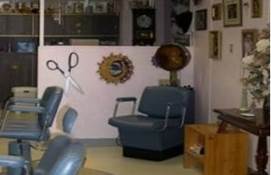
Example: The
Smiths operate both a beauty shop and a small copier shop in their home. They
have wall signs attached to the front and the rear of their home, next to the
spaces where the activities are located. During a storm, both signs are
ripped off by winds and are destroyed. The Smith’s Home-Based Business
Declarations only describes the beauty shop; therefore, the loss of the
copier shop sign is ineligible for coverage. |
|
2. This Coverage B provision amends the policy so that the
“business” exclusion is neutralized, but just
for the business that is listed in the coverage part declarations.
Specifically, the related structures that house the described business property
are covered. However, this policy would still exclude these structures IF they were
used to store property used in business activity that IS NOT an operation
listed on the coverage part declarations.
3. Personal property is expanded by this coverage part. The
additional protection applies to property used in business activity when such
property is leased to the named insured and that lease is accompanied by a
contractual responsibility to insure that property.
|
|
Example:
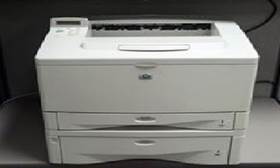
Johnson Family Realty runs their business from their home. The Johnsons rent
a professional quality printer from PrintPro. Their agreement with PrintPro
includes assuming insurance for the printer. This equipment would be eligible
for coverage. |
4.a. While the applicable policy’s “Special Limits of Liability” on
personal property is still in force, an exception is made for valuable papers
and records that are related to the coverage part’s covered business activity. This
particular property is NOT subject to the special limit that normally applies
to that and similar property (bank notes, securities, ticks, manuscripts,
tickets, letters of credit, etc.).
Further, under this coverage part,
valuable papers and records describe a wide variety of property, such as:
- Programs
and instructions used in the covered business’ data processing
- Media
used for storing covered business-related data
4.b. Business Property that is directly
related to the coverage part’s described business is provided with an exception
from Coverage C, Personal Property’s special limit section. The result is that
such property enjoys the maximum protection of:
·
The Limitations on Certain Property amount that
applies to property located on or away from the covered premises
·
The Coverage C Limit that applies to property
located on the premises, but ONLY if no other special limit applies
·
$5,000 coverage while located away from the
insured premises, but ONLY if no other special limit applies. However, higher
coverage applies according to any higher limit appearing on the Home-Based
Business Declarations Page
Note: Provision 4. does NOT increase the amended policy’s Coverage C limit.
5. This item adds items to the policy’s Personal Property Not
Covered provision.
a. No coverage is provided for illegal property (contraband) or
property that is used in transportation or trade that involves criminal
activity.
|
|
Example: Gary
and Mindy’s home includes a home-based business coverage part. A fire
destroys half of their home, including a converted bedroom which contains
business property. Their insurer disallows a third of their claim which
involved the destruction of illegally cloned phones for sale. |
b. No protection is provided to
property that belongs to customers of the covered business when that business
involves a Bed and Breakfast.
6. This provision exists ONLY when the
policy to which the Home-Based coverage is attached settles losses to personal
property on a replacement cost basis.
Under
Coverage C, Personal Property, the coverage part terms regarding replacement
cost settlement are inapplicable to business property that:
a. Is leased to an insured
b. Belongs to other entities but, due
to business activity, it is in an insured’s
possession.
Note: This additional exclusion
replaces any other term found in an amended policy that applies to replacement
cost settlement on business property.
7. Under this provision, the coverage
part does NOT benefit from any protection that the accompanying policy contains
for Refrigerated Food Spoilage. That is due to the intent to have any such
coverage be handled under the coverage part’s “perishable stock” coverage.
However, this coverage must be listed on the supplemental declarations.
8. This item excludes coverage for loss
due to business interruption. No protection is provided to an insured for costs
related to getting a described operation up and
running after it has been stopped by a loss that damages the premises where the
business is located (insured premises).
|
Example: |
|
|
Repairing living room & kitchen |
$7,300 |
|
Replacing salon equipment |
$3,200 |
|
Reimbursement for renting salon chair and cost of having a
rush installment of a replacement chair |
$1,450 |
|
His insurer pays for the repairs and for the new chair but
denies the extra expenses to resume his salon business. |
|
Incidental Property Coverages
1. The policy states that, except
regarding refrigerated food spoilage, the protection listed under this section
applies to the insured’s covered business property.
2. The Home-Based business coverage
part includes the following, additional features:
a. Valuable Papers and Records Research
Cost
Unless a different amount appears
on the Home-Based business declarations, a maximum of $2,500 is available to
assist with the expense of recovering business data on paper or electronic
formats. But the policy’s deductible applies and the coverage does not respond
when duplicate information is available.
Related Article: ISO
Valuable Papers And Records Coverage Form
b. Signs
Unless a different amount appears
on the Home-Based business declarations, a maximum of $500 is available to
assist with replacing a sign that has been damaged, destroyed or lost. No
deductible applies; however, coverage only responds to incidents involving a
sign directly related to the covered business.
3. Credit Card, Forgery and Counterfeit
Money
The policy
provides some limited coverage for fraudulent incidents involving the described
business and credit card, forgery, and counterfeit money, UNLESS any loss is
due to counterfeit money and checks and promissory notes (invalid ones that are
NOT honored) that are received as payment for the insured’s goods and/or
services.
|
Example: The owner
of Karl’s Komputer Konsultants files a claim with Integral Insurors for: $700 fraudulent check he received for installing a PC
network for an out-of-town client – no coverage $700 credit card fee he attempted to process for
installing a PC network for an out-of-town client. However, it was not
honored because it was discovered to be a stolen, expired card – covered |
4. Trees, Plants, Shrubs, or Lawns
There is coverage loss to trees,
plants, shrubs, or lawns that are grown as part of the operations that is the
described business. In other words, it covers such property that exists as
business product NOT for such property that exists merely as landscape on the
business location. This is an extension of the Trees, Plants, Shrubs or Lawn
Incidental Coverage in the basic policy so is very limited as to causes of loss
and limit of insurance.
Perils Insured Against
1. The Home-Based business coverage part adds this exclusion but
only if the business covered is a Bed and Breakfast operation and coverage includes
protection against theft. There is NO coverage for theft that involves any of
the following:
a. Money, bullion, bank notes, precious metals (including plated
utensils) and collectible coins and similar property
b. Securities, stamps, letters of credit, notes, records, tickets,
debt-related documents, passports, accounts, deeds, and any form of manuscript
c. Jewelry, watches, precious stones, gems, and furs
This exclusion applies only when
items in a., b., or c. are located in a part of the
described premises normally used by an insured but, at the time of theft, had been
rented to another party.
2. This second exclusion applies when the policy includes
protection against damage caused by artificial electricity. In such cases, this
item blocks coverage for loss to a described operation’s perishable stock (as
defined by the policy) that is caused by electricity that is artificially
created (as opposed to lightning damage).
Note: The result is that loss involving such property that is used
by the residence would still be eligible for coverage.
Exclusions That Apply To Property Coverages
This section of the Home-Based Coverage Part lists the
sources of property loss that ARE NOT covered. Unless an exception appears, the
exclusions listed here also apply to any optional coverage selected by an
insured. In this case, exception language would need to appear in the optional
form wording.
1. Criminal, Fraudulent or Dishonest Acts
No coverage is provided for loss
due to criminal, fraudulent, dishonest, or similar acts when it is committed by
an insured, other parties that hold a financial interest in the described
business operation, persons an insured permits to take possession/control of
the property or an insured’s partners, business officers, directors, trustees,
joint ventures, or associated persons when the covered operation is in the form
of a limited liability company. The exclusion extends to employees or agents of
the parties mentioned above.
While this exclusion does NOT
apply to loss involving property destruction committed by either employees or
agents, it STILL applies to property stolen by such parties.
|
Example: Benny’s
Mod Style Salon is run out of his home and is covered by a Home-Based
business coverage part. Benny turns in the following claim: |
||
|
Damage to walls, sinks in salon’s space |
$5,300 |
|
|
Theft of computer register |
$440 |
|
|
Theft of seats/hairdryers |
$2,130 |
|
|
Total |
$7,870 |
|
|
When Benny and his insurer received word from the police
that the damage and theft was committed by Benny’s employee and an
accomplice, the theft portion ($2,570) of the loss is denied. |
||
2. Voluntary Parting
No coverage is allowed for loss
that is related to an insured agreeing to give property up to another party
when it is caused by a trick, false pretense, or similar, fraudulent maneuvers.
The exclusion is broad. It applies to situations where an insured suffered a
loss because counterfeit money, invalid checks or stolen/unauthorized credit
cards were accepted in a transaction, but it is not limited to only those
situations.
3. Calendar Date or Time Failure
This exclusion renders the
coverage parts protection moot when loss or damage involves errors of date
and/or time calculation that are made by any computer or other, similar electronic
processes.
How Much We Pay For Loss Or Claim
1. The provisions under this section apply only to the business
protected by the applicable coverage part.
a. Finished Merchandise
This refers to goods made by the
insured. Its value is determined at the time of any loss and is based on a fair
market price, net of any discounts and expenses that have not been incurred.
|
Example: Jane’s
Pet Playthings loses an order of toys in a fire. When her loss is settled,
there’s a deduction in their value since, at the time of loss, the toys had
not been put into their final packaging and the packaging materials were
unharmed. |
|
b. Merchandise Sold
This term applies to the value of goods
sold by an insured, but not yet delivered. Again, the value is net of any
expenses not realized by the insured’s operations and also net of discounts.
c. Valuable Papers and Records
This refers to the cost of
restoring business data (such as client lists, orders, inventory lists, etc.)
to blank materials/media when a duplicate source of information exists. But it
does not refer to the cost of prepackaged software.
2. Loss Settlement Terms
Regarding settling losses under
the Home-Based business coverage part, loss or damage involving customer
property entrusted to the applicable business or property leased by the
business is eligible for coverage. However, the possession of such property
must be accompanied by it being directly related to the business operation or
by a contractual obligation to protect such property, respectively.
|
Examples: Fire damage to lawn equipment on the property because the
items were awaiting work by the insured lawn equipment repair service –
covered Fire damage to lawn equipment on the property because the
items were borrowed from a friend and was to be examined for consideration of
purchasing similar equipment for insured’s lawn maintenance service – not
covered |
When a loss involves such
property, settlement is paid according to the property’s ACV (including cost of
labor/supplies) and any amount the insured is obligated (under agreement) to
pay for the property, whichever is the higher amount.
3. Insurance under More Than One Policy
This provision addresses losses
involving property an insured holds under a contract of sale. Under this
circumstance, an insurer has the right to determine its liability to the
insured by considering other sources of coverage. When another source exists,
payment will be based on the share of coverage owed by each party.
|
Examples: Benny’s
home includes coverage for his music studio and instrument repair shop that
is run from his home. His home is burglarized. Besides repaired instruments
that were awaiting pick-up, the thieves also stole a custom drum set that was
held under a formal consignment agreement. Benny’s insurer settles the loss
but splits coverage with the insurance policy carried by the drum set’s
owner. |
|
Mortgage Provisions
When a mortgage interest appears on the Home-Based business coverage
part declarations, loss settlements will be arranged with both that interest
and the policy’s named insured. The payments will be made with proper
consideration of each party’s financial interest. Similar payment procedures
will take place in the event that a policy includes more than one mortgage
(including trustee) interest.
If there IS more than one mortgage interest, payment is done according to their precedence. In other words, a first
mortgagee’s interest is honored before a second, which in turn is handled
before a third, etc.
A mortgage’s protection (up to its financial interest) may
stay intact when it is cancelled for an insured. This may occur when an insured
forfeits coverage by a given improper/illegal act or omission. However, such is
the case only when the mortgage is either unaware of such acts or, if aware,
shares material information with the insurer.
A mortgage interest, which is listed on the declarations, has rights and
obligations under the policy, which, as far as loss payment goes, are
comparable to an insured’s rights.
If the insurer terminates (cancel or non-renew) the coverage, it has the
obligation to give any mortgagee 10-day advance notice of a decision to cancel
of non-renew the applicable policy.
Related Court Case: Insurer Cancellation
Procedures Met Notification Obligations
The mortgagee must pay the policy premium once it becomes aware of the
insured’s failure to pay and, again if the insured fails, the mortgagee can
preserve possible coverage if it sends a valid, timely proof of loss statement.
If a mortgagee is paid for a claim that involves a denial to the named
insured, it is likely that the insurer will secure the mortgagee’s subrogation
rights and, in turn, go after the named insured for reimbursement. Further,
when payment is made to a mortgagee, the insurer may decide to buyout the mortgagee’s complete financial interest and, if
applicable; secure rights to the mortgage debt and/or collateral.
Loss Payable Options
If the form includes a loss payee with an insurable interest in the
business that is protected by the coverage part the following option (whichever
is listed on the declarations) applies:
Loss Payable –
Option 1
This option merely advises that settlements will be made to the insured
and the applicable additional financial interests, according to their actual interest.
Both the parties and their interest must be shown on
the declarations.
Lender’s Loss
Payable – Option 2
Besides the obligation indicated in option one, this provision also
states that such interests are paid in whatever order exists. Further, the
lender is subject to the same policy and coverage part provisions as the named insured.
In order to qualify as a covered lender, the named insured has to
provide information on the legitimacy of the creditor’s status and what
business property is involved. The property must be protected by the Home-Based
business coverage part.
Note: The creditor
status must be documented in writing.
The lender who owns a financial interest in the business
property can maintain its insurance coverage even when the protection is voided
or terminated for the named insured. If the named insured forfeits his or her
right to coverage because of acts or omission, the loss payee can still claim
coverage or payment if that party pays premium in the place of the insured,
complies with sending a complete proof of loss statement within 60 days that
the named insured did not do so or when the lender tells the insurer about any
substantial changes of risk that it becomes aware of.
If a lender is paid for a claim that involves a denial to the named
insured, it is likely that the insurer will secure the lender’s subrogation
rights and, in turn, go after the named insured for reimbursement. Further,
when payment is made to a lender, the insurer may decide to buy out the
lender’s complete financial interest and, if applicable, secure rights to the
loan debt and/or collateral.
If the insurer terminates (cancel or non-renew) the coverage, it has the
obligation to give any lender 10-day advance notice of a decision to cancel for
nonpayment or to non-renew and 30 days notice for other reasons of
cancellation.
The lender’s right to a loss payment is NOT affected if that
party has begun foreclosure proceedings against the insured.
Contract of
This option merely advises that settlements will be made to the named insured
and the applicable loss payee, according to their actual interest. Both the
parties and their interest must be shown on the
declarations. In order to qualify as an insured interest, the declaration page
must list the party that the named insured contracted with for the sale of
property protected by the coverage part.
Optional Property Coverages
The Home-Based Business Coverage Part includes some
additional property coverages which apply only when indicated on its
accompanying declarations page.
Related Private
Structures
Under this option, the coverage part extends the base
policy’s coverage to apply to any described business that is operated from a
related structure (usually a detached garage or other separate building). All
of the policy’s and the coverage part’s provisions regarding Coverage B are
then applied to the applicable structure.
|
|
Example: Neesha’s
dance studio had grown so much that she had to make a change. For years she
operated out of her home’s finished basement. However, the space became
cramped. Her location included a well-kept pole barn that had been used by
the previous owners. Neesha got a small business loan and renovated the barn
as a modern studio. Her insurance agent told her that she would have to
revise the description on her home-based business endorsement to show the
change in business location. |
Note: The policy
exclusion regarding business use of a private structure is eliminated by the
coverage part wording. Further, the applicable policy’s Coverage B limit is
REPLACED by the limit indicated in the coverage part’s declarations.
Guests’ Personal
Property Coverage
This item protects personal property that belongs to guests
WHEN the covered business is a bed and breakfast. However, the business must be
described as a bed and breakfast in the declarations.
Coverage is provided by extending the underlying policy’s
Coverage C limits and provisions to guest property. The Coverage C exclusion
regarding theft from parts of the premises occupied by the insured but rented
to others is eliminated when this option is selected. However, this may be moot
as, in the case of a bed and breakfast, the insured would NOT normally occupy
the rental area.
The special limitations of coverage for certain property
classes that apply under Coverage C also apply here, except that the coverage
part option contains a special limit for money belonging to guests. The maximum
amount available for money is 10% of the limit that appears for Guest Property
and the amount that applies to money is a sub-limit; it does NOT increase the
amount of coverage available to all guest property.
|
Example:
Jerry’s Homey Hideaway loses a long-time client after a loss. His client
reported that his room was broken into and most of his luggage and other
property were stolen. His stay at Jerry’s was the beginning of a month-long
trip across the country and he was carrying a lot of money. He lost nearly
$3,000 in the break-in. Since Jerry’s Home-Based Coverage amount for Guests’
Property Limit was $15,000, the client was only reimbursed for $1,500 of his
loss. |
|
Accounts Receivable
Coverage
This is a part onto itself, but the
detail is necessary since it involves the core issue of a business generating
income.
1. Property Covered
This option protects the insured’s
sums that are owed from the described business but can’t be collected because
of a loss. It also provides coverage for loan charges for money borrowed to
tide the business over until the accounts are paid. Other categories of covered
property are extraordinary collection costs related to pursuing unpaid accounts
and costs to create replacement account records.
Related
Article: AAIS Accounts Receivable Coverage
2. Property Not Covered
There is no coverage for either
illegal property (contraband) or any property used in criminal activity.
3. Additional Coverages
a. Property Away From
Premises
This provides coverage to account records located away from the described business
location. However, a loss is covered only when caused by a source of loss
listed in the coverage part. The limit of coverage applying to such property is
10% of the Accounts Receivable limit.
|
Example: Mel’s Catering Home-Based Business Declarations Accounts Receivable Limit - $12,000 In this case, the property away from premises amount is
$1,200 (10%) |
b. Removal
Coverage exists to handle a loss
that occurs while an insured moves account records because they are threatened
by a source of loss that is eligible for protection under this optional
coverage. The protection is for any tangible loss and lasts a maximum of 10
days after the move date.
4. Perils Covered
Account records are protected
against any source of tangible loss that is NOT listed in the option’s
exclusion section.
5. Perils Excluded
There is no protection under this
additional coverage for:
a. Loss due to improper (criminal, fraudulent and dishonest) acts,
voluntary parting, calendar/time processing errors. In addition, Civil
Authority, Nuclear Hazard and War described in the base coverage part apply.
b. These exclusions are specific to this coverage.
1) Concealment – no loss is paid for records that are lost or
destroyed in order to hide criminal activity involving the theft or illegal
movement of money, securities, or other property
2) Damage, Disturbance, or Erasure or Electronic Data – no coverage
exists for electronic data that is lost due to program errors, insufficient or
improper data handling/maintenance or electrical power irregularities. However,
the power exclusion only applies when the irregularity or loss of power occurs
more than 100 feet away from the described operation’s premises.
3) Discrepancy – coverage is excluded for loss that is discovered
and documented ONLY via bookkeeping records. However, such records may be used
to support other forms of evidence of a loss.
4) Errors and Omissions – no coverage is provided for any loss
caused by errors or omissions in billing, accounting, or bookkeeping activity
5) Loss of Use – no coverage is provided for indirect loss created
by the destruction or loss of tangible property or by another source of
indirect loss.
|
Example: Zoe
runs a successful photography studio out of her home. Part of the house,
including her studio, is destroyed during a violent windstorm. The loss included
records of photo sessions for a local school’s prom and graduation pictures. Because
of the time she spends in recovering the information,
several clients cancel their appointments. This lost income is not covered. |
|

6. How Much We Pay
This option has its own settlement
provision. Under its provision, the insurer is obligated to pay the following:
a. All accounts receivable due to the insured, but net of the
following amounts:
·
Due under intact records
·
Due from other means of documentation
·
Paid by clients among the lost account records
·
Considered unearned interest and service charges
·
Considered part of normal bad debt allowance. In
other words, lost records will not be permitted as a way to enrich an insured that,
in absence of destroyed records, would still lose some
funds due to normal, bad accounts.
b. The amount needed to reconstruct the insured’s account records
c. The limit shown in the declarations for account receivable
Note: The insurer is obligated to pay the LEAST expensive among
options a., b., or c.
The provision also includes a
contingency to handle a loss of accounts receivable that can’t be reliably
calculated by other means. In such instances, the insurer can determine payment
as a monthly average of accounts receivable for the 12-month period prior to a
loss. However, the average is also subject to any monthly variances that can be
attributed to the month in which the loss occurs.
|
|
Example:
Paula’s Paint Pals suffers a fire in November and her company’s records are
lost. She is unable to document her account receivables for that month. The
insurer takes reviews account activity and determines an average of $2,300
but reduces the average to adjust for the fact that November is typically
Paula’s slowest month for paint jobs. |
Note: No deductible applies to such losses!
7. Conditions
This optional coverage has its own
condition regarding recovered property.
Recoveries – the insured is
obligated to forward any receivables to the insurer until any collected amounts
exceed the amount paid by the insurer. Excess amounts may be kept by the
insured.
Loss of Income
Coverage
The Home-Based Business coverage part will provide coverage
for loss of income due to an eligible peril that created a business disruption.
However, the peril must be one that is covered either under the underlying
policy’s Coverage A or, if the triggering loss only involves personal property,
under Coverage C. The maximum that may be paid is the limit that appears in the
declarations for Loss of Income. This coverage is not subject to a deductible.
Related Court Case: Business Income Loss to Car Dealership Resulting From Snowstorm Not
Eligible For Coverage
1. Definition
This provision uses the defined
term, “Restoration Period.” It is a period of time with a definite starting and
ending point:
a. The period begins on the date of loss to structural or personal
property, but only when caused by an eligible source of loss.
b. The period ends on the earliest of:
·
The date the property should be back in use (due
to replacement or repair). This is based on assumption of a normal
repair/replacement time, using similar quality materials/equipment
·
When business operations start up again
·
12 months after the tangible, triggering loss
occurred
However, the restoration period
does not count added time caused by delays from complying with
construction-related ordinances, debris removal, dealing with pollution
(monitoring, testing, evaluation, etc.) and corrective action taking place to
address actual pollution activity (including removal, containment,
detoxification, etc.)
|
Example: Lisa
operates a law office from her home. Her home and office were demolished
during a storm. Her home is rebuilt but the job took 5 weeks longer than
anticipated. The builder had to report that gallons of various types of
cleaner, pesticides, pool maintenance and other products that had been stored
in the attached garage burst apart and seeped into soil. Since the entire
neighborhood depended upon wells, delays were caused by testing and
monitoring requirements. Lisa’s additional loss of income caused by this
delay is not eligible for coverage as it was not part of a normal restoration
period. |
|
2. Earnings
The coverage part obligates the
insurer to pay the covered business’ loss of net income as well as payroll
expense and operating expenses that continue even after an interruption of
business. It also covers interest income that continues to be earned after a
loss-triggered interruption. Net income, as is traditional, refers to a
business’ profit or loss prior to payment of income taxes.
All operating expenses during an interruption
are eligible for coverage. The coverage part responds only to those that are necessary,
related to getting the covered business back into normal operation, and at a
similar level of service. However, any amount of loss that can be attributed to
an insured’s actions that unnecessarily delay resumption of operations (such as
failing to make use of other business property at the premises) is not covered.
|
Example: Paula’s
catering service business was interrupted by a kitchen fire. While repairs
were being made, she realizes that it would be a perfect opportunity to move
a wall and make some other adjustments to the kitchen and adjoining room
space. The changes results in the work taking an additional three weeks. The
additional loss of earnings due to those three weeks is not eligible for
coverage. |
In instances where an insured
business does not resume operations in a timely manner or decides not to resume
operations, payment of loss is determined according to the insurer’s
determination of how long it SHOULD take such a business to resume operations
at a normal level. Consideration includes studying the business’ experience
prior to an interruption and the likely experience in the absence of a loss.
Coverage under this section is
different from payment for direct, tangible loss since many assumptions must be
made about the business’ performance, income flow and what constitutes
resumption normal or regular operations. However, in the end, it is the
insurer’s decision to make a determination in a manner
that it believes fulfills its payment obligation, under different circumstances
(prompt resumption, delayed resumption, non-resumption).
Related Court Case: , Business Interruption Loss Justified
3. Extra Expenses
The insurer agrees to pay a covered business’ extra expenses that are necessary and
which take place during the defined restoration period.
Extra expenses that repair,
replace or restore property are paid only if for as much as they act to reduce
the length of interruption (and subsequent amount of loss).
Payment for labor involved in
recouping business data is included for as much as they act to reduce the
length of interruption (and subsequent amount of loss).
As is the case with Earnings
coverage, any amount of additional expenses that can be attributed to an
insured’s actions that unnecessarily delay resumption of operations (such as
failing to make use of other business property at the premises) is not covered.
The insurer is permitted to take
any property salvage value in consideration when
making extra expense payments. In instances where an insured business does not
resume operations in a timely manner or decides not to resume operations,
payment for additional expenses is determined according to the insurer’s
determination of how long it SHOULD take such a business to resume operations
at a normal level.
Related Article: Time
Element Coverage Forms Analysis
4. Exclusions and Limitations
Coverage is either limited or unavailable
under the loss of income optional coverage for the following:
a. Electronic Information
Limited protection exists for an
insured that experiences an income loss due to the loss or destruction of its
electronic information. E-information includes media, programs, or records
related to a business’ electronic data processing. The term also applies to
media for storing such information.
Coverage applies for 60 days after
a loss date or when the time reasonably needed to restore operations at the
location, whichever is GREATER.
b. Fire Extinguishment
Fire fighting expenses are not
eligible for coverage under the Loss of Income protection.
c. Leases, License Contracts or Orders
Loss of income or additional
expenses created by interruption or termination of written agreements and
orders are not covered UNLESS such is caused by an interruption of normal
business that results from tangible loss or damage to the business premises.
However, payment only may be made for loss that takes
place within the restoration period. Coverage ends once business operations are
resumed.
d. Strikes, Protest and Other Interference
No coverage exists for loss related
disruption in available workers due to labor unrest or protest of strikers or
other parties demonstrating at the covered premises. The exclusion applies to
both workers involved with construction activity at
the covered premises and to those otherwise involved in the process of resuming
operations.
5. Supplemental Loss of Income Coverage
The Home-Based Business Coverage
Part has several loss of income extensions which DO NOT increase the limit of
coverage.
a. Interruption by Civil Authority
This extension provides coverage
when an authorized civil (as opposed to military) authority blocks access to
the insured premises because of damage that occurs at an unrelated location. However,
since the coverage part’s intent is to provide coverage for the same scope of
loss, the loss that results in order to block access has to involve a source
that is covered by the underlying policy.
Coverage is available for a maximum
of two weeks from the date of the loss that creates the order. The base
policy’s Civil Authority exclusion does not apply to this extension.
b. Period of Loss Extension
This provides a maximum of 30 days additional
time to handle loss of income related to a business interruption created by a
tangible loss to the business premises. The coverage begins at
the date that a damaged premises has been repaired, rebuilt, or replaced but
has not reached its former level of revenue. Coverage will cease in either 30
days or whenever the operations reach their prior normal level, whichever
occurs first.
c. Utility Interruption
This extension applies only when it
appears as a selection on the coverage part declarations page. Loss of Income
protection is provided for income loss and extra expense when a covered peril
damages tangible off premises utility (electricity, gas, water, etc.) property causes
an interruption at the insured business premises. There is a 12-hour waiting
period that acts as a deductible.
Spoilage Coverage
1. Property Covered
Coverage applies to perishable
stock (as defined by the coverage part) that is damaged by a source of loss
listed in this coverage provision. The protection also applies to perishable
stock that belongs to other parties, but which is damaged while on the
insured’s premises. However, coverage for the latter applies only to the extent
of the insured’s interest in that property.
When the insured activity is for a
bed and breakfast, spoilage coverage applies to similar property of guests,
while that property is in the care of the insured AND while on the covered
premises.
Related Court Case: , Business Pursuits Exclusion Held Applicable To Wedding Reception Services
2. Perils Covered
Perishable stock is protected when
damage is caused by:
a. Breakdown. This refers to a change in temperature or humidity
due to mechanical breakdown, malfunction or failure of refrigeration system or
a system control, but only when it occurs on the insured premises.
b. Contamination. This refers to perishable stock that is exposed
to refrigerant. This term does NOT refer to other forms of contamination.
c. Power Disruption.–This refers to temperature or humidity change
cause by electrical power, full failure, partial failure, or fluctuating
supply. However, this applies ONLY when the disruption is not under the
insured’s control.
3. Perils Excluded
The only perils that apply to this
coverage are:
a. Calendar date/time failure in this coverage form and civil authority,
earth movement, nuclear hazard, war, and water damage in the basic coverage
form.
b. The following exclusions that apply strictly to this coverage:
1) Disconnection
This is loss to perishable stock
due to power being unplugged/disconnected to a refrigeration, cooling, or
humidity control system.
2) Deactivation
This is loss created by
deactivating ANY switch or device designed to regulate/control refrigeration, cooling,
or humidity control system’s power source.
|
|
Example: Leslie
filed a spoilage claim because her entire inventory of meat spoiled when the
refrigerator had no power. The claim is denied when the insurer discovers
that the refrigerator was not working correctly so Leslie had taken the meat
out of the refrigerator and flipped off the circuit breaker in order to find
and repair the problem. Once the repair was complete, she returned the meat
to the refrigerator but forgot to flip the circuit breaker back on. |
3) Glass Breakage
No coverage is available when
spoilage occurs because glass that is part of a refrigeration, cooling, or
humidity control system breaks.
4) Inability to Provide Sufficient Power
Spoilage because of the failure of
a utility, generator, or other equipment to provide enough power for a cooling,
refrigeration or humidity control system is ineligible for coverage.
|
Example: Let’s
look at Lisa’s situation again. This time she turns in a claim because all of
her meat supply spoiled. Again, her insurer denies the claim. Why? Lisa had
installed a new, commercial-sized freezer. However, the circuit she used to
power the fridge had insufficient amperage and it failed to reach a proper,
cooling temperature. |
5) Loss of Use
This optional coverage does NOT
protect the insured against loss involving loss of use, interrupted business, delay,
or loss of market.
4. How Much We Pay
This optional coverage has its
very own loss settlement provision.
Loss Settlement Terms
The insurer’s maximum obligation
under spoilage is the limit that appears on the coverage part’s declarations
for spoilage, subject to a deductible of $250 (unless a higher amount is
selected and appears).
LIABILITY COVERAGES
Definitions
The Home-Based Business Coverage Part’s liability section
has terms with special meaning.
1. Insured
This term replaces the one in the
basic policy. It is broad and depends totally upon circumstances of the type of
business ownership. Insured is:
a. The party listed on the declarations page as well as that
person’s spouse when the insured appears as a sole owner of the covered
business.
b. The party listed on the declarations page and all of his or her
partners, members, and their spouses when the party on the declarations appears
as a partnership
c. The party listed on the declarations page and all that party’s
members and managers when the party appears on the declarations page as a
limited liability company
d. The party listed on the declarations page and all that party’s
executive officers and directors if that party appears as any organization that
is NOT a partnership, Limited Liability Corporation, or a joint venture.
Stockholders are also classified as insureds with respect to their liability
related to the covered business.
Note: Under items a. through d., insured status applies only to activities
and responsibilities related directly to the covered business.
e. The listed party’s legal representative who is performing his or
her permitted duties because of the death of that party. Insured status applies
only while the representative has possession or control of the covered property
and liability is related to that property. Under this circumstance, the legal
representative enjoys all of the policy’s rights and also must comply with all
of its duties.
f. Residents of the household who are also relatives of the named insured
g. Persons living in the named insured’s household if they are
younger than 21 and are cared for by the named insured or his or her relatives
h. Any party acting as the named insured’s real estate manager
(EXCEPT employees)
i. The listed party’s employees. Insured status is granted ONLY
when they are performing authorized duties and those duties are related to the
covered business. However, employees do not qualify as insureds for any of the
following:
1) Incidents of bodily injury, personal injury, or advertising
injury (ALL DEFINED TERMS) that occur to the listed party (sole owner, various
partner arrangement, limited liability corp. or other type organization) or
other operation employees (including voluntary workers).
Related Court Case:
Personal Injury Liability Coverage Held Applicable To Claim for Damage to
Reputation
2) Claims of consequential injury by other persons close to the
injured employee or volunteer (spouse, child, parent, or sibling)
3) Any agreement to reimburse a third party for damage related to
acts mentioned in 1) and 2) above
4) Property damage to property owned or held (including rentals) by
the named insured, that party’s employees, volunteer workers, partners (under
respective business types) or any of these party’s spouses.
Note: Employees, as used in this part of the definition, does NOT
apply to:
·
Managers when the listed party is a limited
liability company
·
Executive officers when the listed party is an
organization other than a limited liability company.
j. The named insured’s volunteer workers. Insured status is granted
ONLY when they are performing authorized duties and those duties are related to
the covered business. However, volunteer workers do not qualify as insureds for
any of the following:
1) Incidents of bodily injury, personal injury, or advertising
injury (ALL DEFINED TERMS) that occur to the listed party (sole owner, various
partner arrangement, limited liability corp. or other type organization), other
operation employees (including co-voluntary workers).
|
Example: Louis
runs a custom tailor shop out of his home. One day,
Pete is helping him iron some costumes to be used in their church’s Medieval
Feast fundraiser. Pete is a volunteer from the church. With time running out
to get the job done, Pete keeps speeding up. He is in such a hurry that he places
the iron down on Louis’s hand. This injury is not eligible for coverage. |
|
2) Claims of consequential injury by other persons close to the
injured employee or volunteer (spouse, child, parent, or sibling)
3) Any agreement to reimburse a third party for damage related to
acts mentioned in 1) and 2) above
4) Property damage to property
owned or held (including rentals) by the listed insured, that party’s
employees, volunteer workers, partners (under respective business types) or any
of these party’s spouses.
The policy treats every party that
meets the definition of insured as a separate insured, but that does not
increase the applicable limits that apply to a given loss under the coverage
part.
Unless the operation is listed on
the declarations, no incidents arising out of any activity by ANY party
concerning current or past business operations qualify for insured status.
2. The following terms also have special meaning under this portion
of the Home-Based Business Coverage Part:
a. Advertising Injury
Refers to harm (not bodily injury,
property damage or personal injury) that arises from any of the following:
·
Publishing activity in either oral or written
form. That activity must result in some party claiming that the activity
slanders or libels another party, that it is derogatory toward another party’s
services or products, or ignores another’s privacy rights
·
An allegation that another party’s promotional
ideas or ways of conducting business have been taken and used as its own
·
Not honoring another party’s legal, intellectual
property rights toward its company or product/service identity with regard to
copyrights, titles, slogans, trademarks, or trade names.
Related Court Case:
Piracy Coverage Differs From Patent Infringement
b.
Refers to the
c.
Includes the area defined by basic
territory above and any areas traveled to by either air or sea, to or from the
basic territory. The term also applies to anyplace in the world when the
physical harm is related to the named insured’s products that are made or sold
in the basic territory. It also applies universally regarding actions of a
resident of the basic territory while at another locale performing duties
related to the covered business. However, the worldwide expansion applies only
when an insured is found to be responsible for harm by either a valid lawsuit
within the basic territory or via an insurer’s decision to settle a claim.
d. Employee
While the term extends to leased
workers, it DOES not apply to temporary workers.
Note: Both leased and temporary workers are also defined terms.
e. Impaired property
This term describes tangible
property with a diminished value caused by its containing an insured’s product
or the result of the named insured’s work. Either the product or the work must
qualify as defective or dangerous. Such property may also be considered
impaired due to an allegation that the insured has not met the requirements of
a contract. Further, impaired property must be capable of having its value
restored by either removing or correcting the insured’s impact on that property
or by complying with the contract.
|
Example:
Terri’s Timely Tailoring is sued by a customer who complains that the fur
trim she paid to have added to her full-length leather raincoat is of grossly
inferior quality. Her claim is withdrawn after Terri’s senior tailor replaces
the trim with a higher quality material. The original tailored coat qualifies
as impaired property. |
|
f. Leased Worker
This is a person an insured
acquires from a firm that supplies workers according to a written agreement
WHEN that person’s labor is directly related to the covered business. Persons
defined as temporary workers are excluded from this definition.
g. Loading or unloading
This refers to the activity of
picking up, transporting, and removing property at its intended drop-off point.
The transportation may involve a vehicle (as defined by the policy), aircraft,
watercraft, mechanical devices attached to the mode of transport, and hand
trucks.
Related Court Case: , "Loading or Unloading" Of Vehicle Exclusion Upheld In Injuries
Caused By Rifle Due To It Being Improperly Stored
h. Products
This refers to items that the named
insured (or parties on the named insured’s behalf) makes, sells, handles, and
distributes or disposes of. Statements and guarantees concerning products and
their use, containers, and related materials (except vehicles), related to such
items, warnings and instructions concerning such items also qualify as
products.
Note: The term does NOT refer to real property nor to vending
machines or other property rented to or put in place for (but does not sell to)
another party.
i. Products/completed work hazard
1) Products Hazard. This refers, essentially, to harm (bodily
injury or property damage) related to the named insured’s products. C
consumable products sold, made, or handled by the named insured products hazard
can occur on or off premises after the products are in the hands of others. All
other products harm must occur off premises. Qualifying premises are only those
that are owned or rented by the named insured to conduct a covered business.
2) Completed Works Hazard. This refers, essentially, to harm
related to work that a named insured performs in its entirety and that occurs
away from the operation location that is owned or rented by an insured. The
coverage part clarifies the term since what is meant by completed can be
subjective. The coverage part states that completion occurs when all work
required by a contract is done, all work the named insured is obligated to do
at a given work site is finished (when more than one site is involved), or when
work at a given site is being used as intended by ANY other entity at a given
work site, whichever occurs first.
Note: Work is still
considered complete if, at a later date, it’s determined that the work has to
be corrected, repaired, replaced or is subject to
maintenance or additional service.
3) Harm related to transporting property or to the presence of
tools, uninstalled equipment or abandoned/unused materials does NOT quality as
EITHER products or completed work hazards.
Note: Harm related to a vehicle condition while transporting
property or to loading/unloading may, under certain circumstances, qualifies as
EITHER hazard.
j. Temporary Worker
Refers to a worker performing
duties for the named insured as a non-permanent replacement for an employee.
k. Your work
Refers is any of the following:
1) Activity done by the named insured or which another party does
on behalf of the insured
2) Materials, parts, and equipment related to such activity
3) Written representations of features, performance condition of
the named insured’s work
4) Errors or omissions concerning warnings or instructions related
to the named insured’s work
3. Personal Injury
Injury created by any of the
following offenses:
- Publication
of either oral or written form that results in some party claiming that
the activity slanders or libels another party, that it is derogatory
toward another party’s services or products or ignores another’s privacy
rights
- Interfering
with another’s physical freedom via arrest, detention, or imprisonment
- Malicious
prosecution
- Violating
another’s right to their legal access, occupation and use of living space
by unjustifiably entering, invading, or evicting another party out of his
or her living space.
Note: This offense is one that must involve the property owner,
landlord, lessor, or someone acting on behalf of such parties.
Note: The coverage part’s definition supplants any definition that
may exist in the policy it amends.
Principal Liability Coverages
1. Coverage L – Liability
The Home-Based Business Coverage
Part amends the policy to which it’s attached by making its Coverage L
provisions applicable to accidental bodily injury or property damage related to
the business described in the declarations. The bodily injury or property
damage must take place during the applicable policy (AND coverage part) period.
The occurrence must take place the covered territory (as defined in the
coverage part) and on or after the Home-based Business coverage date on the
declarations.
2. Coverage M – Medical Payments
The coverage part has its own
provision regarding Medical Payments. It replaces any other policy provisions
when bodily injury related to the covered business (operation described in
declarations) occurs.
a. The insurer assumes the obligation for medical expenses resulting
from accidental bodily injury when it is related to the covered business
operation. Also eligible are expenses related to an accident that occurs on
premises owned or rented by the named insured or on an area that is next (or
adjacent) to such premises.
b. Medical expenses are eligible for payment and don’t take fault
into consideration. However, the expense must be related to an accident that
takes place during the policy period, in the coverage territory, and the
injured party has to experience the cost (or be diagnosed of an injury) within
three years of the accident date.
c. The form states that medical expenses refer to a wide array of
costs, including medical, surgical, x-rays, dental service, cost of prosthetic
devices (fittings would be included) eyeglasses, hearing aids, prescription
drugs, contact lenses, and treatment at scene (first aid). Other eligible costs
are those involved with ambulance transport and professional services (nursing,
hospital, and funeral).
Incidental Liability Coverages
The coverages appearing in this section replace any other
provisions in the coverage part that make reference to
incidental liability. The incidental coverages supplement the part’s coverage
breadth, but do NOT increase the applicable limits except for the Claims and
Defense. In other words, for a given loss, any payment under the incidental
liability section (except for Claims and Defense) reduces the total available
limits.
1. Fire Legal Liability Coverage
a. The insurer is obligated to respond to loss to structures the
named insured rents or borrows for operating the described business. However,
the obligation to cover such property exists only when the damage is due to a
fire for which the named insured is legally liable.
|
Example: After
thirteen years of running “Kimmie’s Kitchen” from her home, Kimmie sells her
small home and rents a large, two-family home with an agreement that she can
use the spacious ground floor for her business. One day, after a stove
malfunction, the first floor is heavily damaged by smoke and fire. Her
Home-Based business policy responds to the loss under the Fire Legal
Liability section. |
|
With regards to coverage,
protection extends to permanent fixtures.
b. The maximum possible amount of coverage is $50,000, but that is
only if it’s available via the use of the policy’s per loss and general
aggregate limits for the policy period. However, as an option, higher limits
are available for an increased premium but will still be subject to the other
policy limits.
c. For purpose of this coverage part, its property damage
exclusions regarding fire damage to non-owned property are nullified; but
exclusions still exist for the following:
·
Loss liability that exists solely via contract
or agreement – in other words, no coverage would apply to fire loss to rented
or borrowed premises where the insured had no responsibility for the loss
EXCEPT via a contract
·
Loss caused by intentional or criminal acts by
an insured; included are such acts committed on behalf of or with
knowledge/involvement of an insured. If the actual loss that occurs is of a
different nature or affects different parties than was intended by an insured,
it is still not covered.
Related Court Case:, Intentional Damage Exclusion Held Applicable Although Damage Was More
Severe Than Expected
The intentional action exclusion
DOES NOT apply to instances of damage that are related to an insured’s acting
to protect other persons or property belonging to others IF the insured’s
actions were, under the particular circumstances, reasonable.
2. Claims and Defense Cost
Under this coverage part, the
insured will handle the following expenses related to defending against a
lawsuit:
a. Various court costs the court determines the insured is
obligated to pay
b. Defense-related expenses the insurer incurs
c. The insured’s lost earnings, but that amount is subject to $50 a
day and the lost income has to be due to the insurer requiring the insured to
spend time away form his or her job.
d. Other expenses experienced by the insured due to demands of the
insurance company
e. The portion of prejudgment interest levied against the insured
up to the insurers limits. Once a full limits offer is made, the insurer will
no longer pay this type of interest.
f. The interest accruing on the entire judgment amount following
its award. Once the insurance company deposits its policy limits with the
courts, it stops paying such interest even if the limits did not satisfy the
entire judgment.
g. The premiums on attachment and appeal bonds but only on the
amount of the bond that is within the limits in the policy. The insured is
responsible for the premium of the bond limits in excess of the policy limits. The
insurer has no obligation to make arrangements for the
bonds.
h. The insurer will pay a maximum of $500 for bonds related to
vehicular accident or traffic violation, but ONLY when the vehicle involved
qualifies for protection under the coverage part. The insurer, again, has no
duty to make arrangements for any such bond.
3. Incidental Contractual Liability Coverage
a. In some instances, the insurer will respond to costs involving
incidental (minor) agreements made by the insured that result in BI or PD.
Coverage applies to only for contracts regarding any of the following:
1) Premises leased by an insured
2) Easement or license agreements, but NOT agreements related to
construction or demolition activity near a railroad (50 feet or closer)
3) Compliance with an ordinance, an agreement to handle the cost
faced by a municipality for a loss, but NOT regarding work done FOR that
municipality
4) The owning, maintaining or usage of an insured premises
b. The coverage part does not protect against incidental
contract-related loss involving either of the following:
1) Any part of an agreement concerning indemnifying another party
for loss the would fall under Fire Legal Liability
2) Any post-loss contract
4. Incidental Watercraft and Vehicle Liability Coverage
The insurer owes an obligation to
pay for either BI or PD related to the following:
a. Watercraft located on the shore of premises the named insured
owns, rents or controls
b. The parking of non-owned vehicles (including borrowed vehicles)
on the named insured’s premises (owned, rented or controlled). It also applies
to the parking of such vehicles in areas immediately neighboring the premises
c. The use of a motorized vehicle to service the described
business. The coverage part still excludes loss involving a business that
provides maintenance service to other parties or to loss arising from using an
owned, non-registered vehicle for recreation purpose….at ANY location.
|
Example:
Intimate Accountants, owned and operated by mother-son team Jane and Joe Jr.,
has the following losses: |
||
|
Scenario 1: A neighbor
child is injured when he is hit by Joe Jr. while Joe is using their riding
mower to mow the lawn right outside the part of their home used as their
office – Covered |
Scenario 2: A person
who is cross-country skiing is injured when struck by Jane while she was
operating her snowmobile in the same park – Not Covered. |
|
5. Damage to Property of Others
a. The insurer obligates itself to pay for
the replacement of personal property that belongs to third parties when it is
damaged by an insured AND it is related to the described business. There is NO
consideration of whether an insured is at fault.
b. The maximum amount available for this coverage is $2,500 for a
given loss. However, this amount is subject to the policy’s Coverage L and
Aggregate Limits. The insured has the option to purchase a higher limit and
that amount applies if it appears on the declarations.
|
Example: Aaron
operates “Laptop Doc” out of a converted master bedroom in his home. A
customer’s laptop is one of the items destroyed by a fire that starts in
Aaron’s kitchen. The laptop is worth $1,250. Its loss is eligible for coverage. |
|
c. The coverage part’s exclusions regarding business are
inapplicable with respect to this incidental coverage BUT exclusions under this
part apply to PD involving any of the following:
1) The insured’s property (which appears self-evident concerning
the title of the coverage)
2) Property owned by or rented/leased to any resident (including
tenant) of the insured’s household
3) Damages that an insured deliberately inflicts (when that person
is 13 or older)
4) Either of the following:
a) Business activity that is related to any operation that is NOT
listed and protected by the Coverage Part
|
Example: Intimate Accountants, again owned and operated by
mother-son team Jane and Joe Jr., share space in the home for another
business, Joe’s Copier Repair. One day, while handing over a repaired copier
to a client, the client fumbles it and it lands on the floor of Joe’s office
area. None of the damage is eligible for coverage as Joe’s copier business
did not appear on the policy declarations. |
|
b) All incidences of use of motorized vehicles, aircraft, or watercraft; whether an insured owns such property or not. An
exception exists for damage involving non-owned, non-registered motorized
vehicles used to service the covered business BUT the exception does NOT exist
for business operations involving providing maintenance services to other
parties.
5) Property protected by the coverage part’s Property Coverages
section, unless the amounts available there are exhausted; then this coverage
responds on an excess basis.
Exclusions
The liability exclusions found here act as a total
replacement for the liability exclusions that apply to the policy to which the
coverage part is endorsed.
Note: These
exclusions apply only to the applicable business insured under the coverage
part. Any references to either personal or advertising injury apply when the
coverage part lists these coverages on the declarations.
1. No coverage is available for BI, PD, PI or AI for any activity
or situation that is specifically excluded in this section, regardless of that
event’s occurrence either with, before or after other activities that
contribute or trigger the excluded event.
Note: This language is an attempt to handle concurrent causation
situations. The insurance company logic is that, as long as an excluded
situation is involved, then the existence of other contributors to a given loss
should make NO difference.
Related Court Case:
“Anti-Concurrent Causation Clause in Insurance Contract Barred Recovery” –
though not a home business case, it does show the confusion over the concept of
concurrent causation.
a. BI, PD, PI, and AI Exclusions
1) No coverage is available for losses created merely by
obligations under a written agreement or contract – the exclusion does not
apply to losses the insured would be responsible for even without an agreement;
nor does it apply to the extent that coverage is provided by the incidental
contractual liability coverage IF such loss occurs after an agreement’s effective
date.
2) No coverage exists for loss related to providing or failing to
provide professional service
3) Protection is not available for any type of loss involving a
motorized vehicle in any type
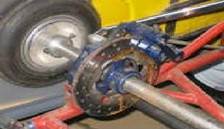
of competition or similar activity (including preparations)
|
|
Example: Jim
was interested in drumming up more work for his handyman business that he
operates from his home. He decides, during a neighborhood party, to sponsor a
cart race (since he owned two, gas-engine powered carts). During the very
last race of the day, one pre-teen operator loses control of a cart and slams
into several race spectators. They all sue for damages. The losses are not
covered. |
4) The insurer has no obligation for loss related to any incident
of use surrounding an aircraft, motorized vehicle, or watercraft. The only
exception is the modest coverage available under the coverage part’s Incidental
Watercraft and Vehicle Coverage or Optional Watercraft Coverage.
5) No coverage exists for a loss where an insured is responsible
due to its contributing to another party’s loss of sobriety, providing alcohol
to a minor or to a person who is already intoxicated. There is also no coverage
if an insured has responsibility of a loss assigned
because of any law or regulation concerning the use, distribution, or sales of
alcoholic drinks.
Note: Item 5) above applies only when the covered business involves
alcoholic drink production, serving, sales or distribution.
Note: IF the covered business is a Bed and Breakfast, this
exclusion applies if that operation makes, sells, distributes, serves, or
furnishes alcoholic drinks and charges money for any of these activities. There
is an exception. Coverage is available in instances when drinks are furnished
for free, but only if this can be done without the requirement of a license.
|
Example:
Polly’s Perfect Sleep-Inn is a Bed and Breakfast and, each year, she holds a
huge Halloween Party for her guests. Polly prepares generous portions of her
famous Super-Spiced and Spiked Punch. This event would be eligible for
coverage as she throws the party for free and no local law requires a license
for the situation. |
|

6) The policy does not pay for any loss connected to war or any
similar activity. Discharging a nuclear device is deemed to be a similar
incident, even if it occurs accidentally.
7) No coverage applies for BI or PD involving an insured’s
deliberate act or such acts that occur at an insured’s direction. The exclusion
also extends to criminal acts as well as to deliberate, malicious acts by the
insured or that occur on orders of an insured. The use of reasonable force as a
means to protect people or property is an exception.
Note: When loss from intentional acts occur, IT DOES NOT matter if
the loss or injury is either different than what the performer expected nor
does it matter if the person or property affected was not the intended target.
The key item that triggers the exclusion was the fact that causing some loss or
damage was deliberate.
Related Court Case: Extended
Rental, Not Business Use
8) Coverage is excluded for BI or PI when the injured person is an
employee of an insured. The exclusion extends to consequential injury to the
injured employee’s spouse, child, parent, or sibling. The exclusion applies regardless
of whether the injured party was involved in work related to the described
business. It also applies to losses when the insured’s liability is created by
an obligation to reimburse a third party.
Related Court Case:
“Worker’s Injury Arose Out of Business"
Note: An exception applies to coverage available under the coverage
part’s Incidental Contractual Liability or Expanded Contractual Liability
Coverages.
9) BI and PI losses are disqualified from coverage when they involve
payments that must be provided due to workers compensation, occupational
disability/disease, unemployment compensation or similar law
10) No coverage is provided for BI or PD that is connected to any
incidences of employment practices such as rejecting job applicants, firings,
job transfers, demotions, discipline, improper acts (humiliation,
discrimination, harassment, defamation, misconduct (sexual or non-sexual), regardless
of whether performed within policies or resulting from omissions. Consequential
injury or damage stemming from such activity is also excluded. The exclusion
replies regardless of whether the insured acted as an employer or whether an
obligation to a third party exists.
Related Article:
“Employment-Related Practices Liability Coverage Overview”
11) No coverage is provided for BI, PD, PI, or AI involving a loss
from a business that is not described/listed on the coverage part declarations
12) No coverage exists for BI or PD for a loss in which the insured
is also covered under a nuclear energy liability policy (issued by American
Nuclear Insurers, Mutual Atomic Energy Liability Underwriters, Nuclear Insurance
Association of Canada, or the companies that succeed them). The exclusion is
NOT affected by whether such a policy has been exhausted.
13) BI or PI to an insured is not covered.
14) No BI or PD is eligible for coverage when it’s related to
business activity at any permanent location other than the premises for the
business activity that is described on the declarations.
15) Assessments or liability levied against an insured by any type
of association of property or resident owners are ineligible for coverage
16) The insurer has no obligation to pay for any PI, PD or AI
related to the failure of electronic data processing equipment, compute
program, software, media, or data to properly deal with any date or time issue
related to abbreviation (i.e., Y2K), encoding or encryption.
17) No coverage exists for BI, PD, PI, or AI that involves
incidences of pollution on land, water, or the air. An important exception
exists and it is for the release of smoke or fumes from a hostile fire that
occurs on the insured premises.
Note: Smoke from a friendly fire that damages other property would
not qualify for coverage.
|
Example:
Kerry’s Cookery’s neighbor is no longer fond of the home business. Not long
ago, Kerry left some pies unattended in her stove. Cherry and blueberry
filling bubbled up and overflowed. Thick smoke plumes found their way to the
neighbor’s home. That home’s contents, walls, drapes, and carpeting are
covered with greasy residue. The insurer denies the loss stating that it was
not a hostile fire. Kerry argues that the filling was not intended to fall
onto a cooking surface, creating the smoke. This loss is headed for a
lawsuit. |
|
The pollution exclusion exists for
any request or requirement (from any source) to monitor, clean up, remediate or
in any way deal with pollution incidents or their aftermath, even when the
source of the demand is a government unit.
Related Court Case:
Insured Challenges Pollution Exclusions
18) This is an absolute lead exclusion. There is absolutely no
coverage under BI, PD, PI, or AI with regard to harmful contact with lead,
including any aftermath. Even allegations of harm are excluded. Therefore, an
insurer would have no obligation to even provide a defense until establishing
whether a lead-based claim had any merit. As is the case with pollution
incidents, even the request from a government unit with regard to monitoring,
remediating, testing, or other acts is ineligible for coverage.
b. The following exclusions only apply to Personal Injury (PI) and
Advertising Injury (AI)
1) When an insured violates any law, statute, regulation, or
ordinance knowing that the action is in violation and PI or AI results, no
coverage applies.
2) When an insured KNOWS that the information is NOT TRUE, then no
coverage is available for harm (or allegations of harm) when an insured
distributes either oral or written information. The exclusion stands even when a
party distributes the information under the insured’s direction.
3) Advertising injury due to breaking a contract does not qualify
for coverage. However, when the contract is only implied and that implied
contract is alleged to have been broken when an insured uses the other party’s
advertising idea in its advertising, there is coverage.
4) Advertising injury related to an insured’s product or service
not meeting the standards implied in its advertising.
|
|
Example:
Hanna’s Dream-Seam advertises that her custom dressmaking is unparalleled.
She’s sued by several customers when their daughters’ prom dresses fall apart
– No coverage |

5) No coverage is available for AI related to an offense by an
insured who is in the advertising or broadcasting (radio, TV, web or similar)
business.
6) The insurer is not obligated to respond to losses involving AI
connected to errors in pricing its goods, products, or services.
c. The following exclusions only apply to Property Damage (PD)
1) While limited coverage for property owned or rented by or
occupied by an insured exists under the coverage part’s Fire Legal Liability
section, otherwise such property is not eligible for protection when lost or
damaged.
2) Property damage to premises the named insured no longer has a
viable insurable interest in because the property was sold, given to another party,
or abandoned is not covered. If such property represents the named insured’s
work, it qualifies for coverage, as long as the named insured never occupied, rented,
or held such property for rent.
3) Except for sidetrack agreement related liability, there is no
coverage for damage to property the named insured uses or has borrowed.
|
Example: |
|
4) The insurer has no obligation to pay for any type or personal
property that is damaged. This exclusion applies to such property under the
insured’s possession or control. This exclusion does NOT apply to the
protection provided by this part’s Incidental Damage to Property of Others
Coverage nor to such property related to responsibility under a sidetrack
agreement.
5) In certain instances, damage to real (structural) property is
excluded. No coverage is available to any area of real property on which the named insured is working. This exclusion also
applies to areas upon which a contractor or subcontractor is working (when that
work is being done on behalf of the named insured). However, if damage is
related to responsibility arising from a sidetrack agreement;
the damage is covered.
6) Except for coverage provided under the products/completed works
hazard and for liability related to a sidetrack agreement, property damage
related to an insured’s faulty work is not covered.
7) Damage to an insured’s products that is related to those
products is ineligible for coverage.
8) When the named insured hires a subcontractor and it results in
damage to an insured’s work, the damage is eligible for coverage to the extent
of what is available under the section’s products/completed works hazard.
Otherwise, such losses are NOT covered.
9) Property damage or loss that is created by work delays,
defaulting on a contract, or by product defects, deficiencies or dangerous
condition is not eligible for coverage. This exclusion applies even when the
loss involves a subcontractor or impaired property (as defined).
An exception exists for either the
destruction or loss of use of property that belongs to others. It must be due
to tangible damage to products or work once they are being used as intended.
10) The home-based coverage part WILL NOT respond to any expenses to
accept returns, dispose of property, inspect, repair, replace or other costs IF
the insured has knowledge or suspicion of a product deficiency or unsafe
condition.
d. The following exclusions only apply to Medical Payments
Besides the coverage part’s other
BI exclusions, there is no coverage for any of the following:
1) Injuries suffered by any insured
2) Injuries suffered by persons hired by the insured to do work
WHEN that work is related to the covered business
|
Example: The spring
has been so wet; lawns are lush throughout the area where Hank operates his
Mower Maintenance and Repair Business. In order to respond to the spike in
business, he hires Brian. Hank will focus on repairs while Brian handles sharpening
and cleaning mowers. Brian, in a hurry, loses his grip while trying to remove
a stubborn mower blade and seriously slices his hand. The treatment for the
injury is ineligible for coverage. |
|
3) Injuries that occur on parts of the premises that the named insured
either owns or has rented when such persons typically reside in that space
4) Injuries to a person while participating in sports and athletic
activities
5) Injuries that are covered under the coverage part’s
products/completed work hazard
6) Injuries to persons who are or should be covered under workers
compensation, nonoccupational disability or occupational disease laws
2. Punitive Damages
Exclusion
While the home-based coverage part
will provide a legal defense to a suit that includes punitive/exemplary damage
along with an occurrence damages, it DOES NOT provide coverage for any punitive/exemplary
damages that may be awarded against and insured. The exclusion extends to any
costs and interests that are associated with punitive damages.
How Much We Pay
1. The Coverage L limits apply to BI, PD, PI, and AI related to the
covered business activities. The limit that appears on the declarations is the
maximum that will be paid for a given loss. This limit works like so many
others used in other lines of business. In other words, it is NOT affected by the
number of insured persons, the number of parties injured (or financially harmed
by property damage) or the number of lawsuits filed under a given loss.
Further, the limit is also subordinate to the stated General Aggregates for the
policy and for the Products/Completed Work Hazard coverage.
2. The Coverage Part has its own provision regarding Coverage M,
medical payments. It replaces any terms found in the form it amends. But the
substitution is ONLY for losses connected to the covered business activities.
The coverage part’s Coverage M (per person) limit is the maximum (subject to
the policy’s General Aggregate Limit) that will be paid for a single person’s
expenses suffered under an eligible accident.
3. This item states how the coverage part’s General Aggregate Limit
applies. The limit that appears in the declarations is the maximum the insurer
is obligated to pay during any given policy period. The limit takes into
consideration all amounts the part pays under Coverage L and Coverage M.
However, it does not consider payments made under its Products/Completed Work
hazard.
|
Example: - Paynt
Pros Home-Based Business Declarations – 1/1/23 to 1/1/24 Coverage L Limit - $300,000 General Aggregate Limit - $500,000 Prod./Completed Work Aggregate
Limit - $500,000 |
||
|
Paynt Pros Loss
Activity |
||
|
Date |
Amount |
Description |
|
2/3/23 |
$172,000 |
BI Loss |
|
4/8/23 |
$139,000 |
PD Loss |
|
7/12/23 |
$96,000 |
Completed Work Lawsuit |
|
9/25/23 |
$117,000 |
BI Loss |
|
Total |
$524,000 |
|
|
While it may appear that the losses have topped the
General Aggregate by $24,000, the aggregate has not been reached. The $96,000
completed work loss is not included in any calculation, just the remaining
losses, totaling $428,000. |
||
4. With regard to BI and PD losses, the parts Products/Completed
Work Hazard Aggregate limit that appears on the declarations is the most the
insurer is obligated to pay for all such losses that occur during a given
policy period.
5. Both aggregates referenced in the coverage part apply to the
stated 12-month policy period. However, if a policy period is extended, those
aggregates become effective over the extended period. Adding to the length of a
policy period does not increase the aggregate amounts. Any extension (less than
a full 12 months) is treated as part of the preceding, full 12-month period.
6. Insurance under More Than One Policy
This coverage part’s provision
replaces any other references in the policy with regard to covered business
losses. Concerning such losses, this part acts as primary coverage when other
sources exist (that are NOT designed to respond on a primary basis).
When other primary coverage
sources exist, this policy will pay either in shares equal with other sources
or according to its proportional share. The response depends upon the payment
provisions found in the other sources. Payment of equal shares continues
subject to:
- Reaching
the lowest limit that has been written for the insured
- Paying
the loss in full
- The
insurer exhausting its own limit
Payment of proportional share is
subject to payment of the given loss in full or the insurer reaching its total
proportional share amount. In the latter instance, it does not matter whether
the applicable loss has been fully paid. The insurer’s obligation ends when it
meets its full share.
In certain instances, this
coverage responds only on an excess basis. This applies when the other source
of coverage provides protection for any of the following:
- Fire,
extended coverage, builders’ risk, installation risk or similar coverage
for the insured’s work
- Fire insurance
for premises the named insured rents
- ELIGIBLE
losses involving maintenance or use of aircraft, motorized vehicles, or
watercraft
In cases where this coverage
part’s obligation is on an excess basis, the insurer will only become involved
with handling a legal defense when no other party owes the insured a defense
obligation. The insurer, if it does provide defense coverage, may exercise a
right to subrogate against other insurers.
The insurer’s excess insurance
obligation is above whatever coverage is first due (or should have been due) by
other insures, including requirements regarding deductibles and self-insured
retention amounts. With regard to other sources of coverage not mentioned under
this part, the insurer will pay on an excess basis over such coverage.
Note: This coverage will respond prior to any coverage design to
respond AFTER this coverage part’s protection.
7. No restoration of policy limits applies in any situation that is
affected by the operation of this coverage parts General or Products/Completed Work
Hazard Aggregate limits.
Optional Liability Coverages
The following coverage options apply when they appear on the
declarations, according to their stated terms.
Personal Injury
Liability Coverage and Advertising Injury Liability Coverage
1. The home-based business Coverage L limit applies to any losses
involving PI and AI that are related to the covered business.
2. The insurer is obligated to pay for:
a. PI resulting from offenses that occur because of eligible
business activity, EXCEPT for advertising publishing or broadcasting (including
telecasts) done either by the named insured or done on its behalf
b. AI connected to offenses involving the promotion of the named
insured’s goods, products, or services.
3. This part’s coverage only applies if the PI and AI offense takes
place during the policy period and while within the coverage territory.
Expanded Contractual Liability
Coverage
1. This coverage amends the policy’s Incidental Contractual Liability
Coverage. It pays for BI and PD that occurs because the insured has a written
agreement to take on another party’s tort (legally imposed) responsibility for
such instances. However, the applicable contract must be related to the
operation of the covered business.
2. This option does NOT apply to instances involving Fire Legal Liability
coverage.
3. The coverage part’s contractual exclusion does not apply to BI
or PD losses but only if the losses happen after the contract described in item
1 of this coverage takes effect.
Non-owned Auto
Liability and Hired Auto Liability Coverages
1. This option extends the part’s Coverage L limit to apply to
covered business-related BI and PD connected to:
a. Someone other than the named insured using a non-owned auto for
the benefit of the business
b. The named insured or its employees or volunteer workers using a
hired auto
2. Under this particular option:
a. The term “insured” refers to:
·
The named insured
·
Persons operating a hired car with the named
insured’s permission
·
The named insured’s partners, executive officers,
or LLC managers, but only for the use of non-owned autos and while using it in
the covered business
·
Other entities with respect to errors or
omissions committed by other insureds identified in this insured definition.
b. The following ARE NOT insureds
1) Any insured’s workers who cause BI to other workers (including
volunteers) of the insured while performing covered business activities.
Insured status is also denied to persons who are related to an injured
co-worker and to instances where reimbursement is owed to a third party.
2) Partners, executive officers, or managers (including members of
their households) when the loss involves use of their autos
Note: In such instances, these persons should have their own source
of owned auto coverage.
3) Persons involved in any form of auto business (except for an
auto business listed as the covered business)
4) Any parties that are the owner or lessee of either the hired or
non-owned autos including such parties’ employees or agents
3. Under this particular option, the following are defined terms
a. Auto
Refers to land motor vehicles, trailers
or semi-trailers meant for public road operation and also includes machinery and
equipment attached to any of these
b. Auto Business
Refers to selling, fixing, serving, storing,
or parking autos as an income-producing activity
c. Hired Auto
Refers to autos the named insured
occasionally hires, leases, or borrows except when the source is the named insured’s
employee, volunteer worker, partner, executive officer, or LLC managers
(including any of these parties household members)
d. Non-owned auto
Refers to autos that are used in
the covered business and which are not owned, borrowed, or leased by the named insured
(or the named insured’s partner)
4. Existence of this particular option nullifies the coverage
part’s aircraft, motorized vehicle or watercraft exclusion for BI, PD, PI, or
AI, but ONLY with regard to non-owned and hired auto losses.
5. Exclusion 1.a.8) is changed as regards to
this optional coverage by the addition of one paragraph at the end of the
exclusion. This exception provides coverage when BI or PD is due to domestic
employment unless there is other coverage available under workers compensation
or similar type products.
6. None of the property damage exclusions under Exclusion 1.c.
Additional Exclusion That Apply Only to Property Damage apply to this optional
coverage. However, the following property damage-only exclusions operate in
their place.
a. No coverage exists for PD to property that is owned, being
transported by, is rented, or leased to an insured
b. No PD is available for property in the insured’s care, custody,
or control
Cosmetologist’s Liability
Coverage
When the covered (described) business involves a cosmetology
operation:
1. The coverage part is amended so that BI, PD, PI, and AI are
covered with regard to losses involving professional services (acts and
omissions).
|
Example:
Linda’s home is insured for “Funny Face Cosmetics” which is operated there.
She is sued by Samantha. Linda failed to ask about allergies and Samantha’s
face is scarred after Linda applied a custom face regimen to treat dark
spots. This suit is eligible for coverage. |
|
2. No coverage for BI or PD applies when the insured knows it is
operating out of compliance with regulations regarding cosmetology services.
3. All related acts or omissions involving professional cosmetology
services to a single individual are deemed to be a single occurrence.
Related Article: Beauticians and Barbers Professional Liability Coverage Analysis
Watercraft Coverage
1. Under this particular option, Coverage L also applies to BI or
PD connected to owning, maintaining, using, loading, or unloading of any of the
types of watercraft described below:
a. Not made to be powered by an engine or electric motor
b. Not powered by sources capable of less than 25 hp
c. Sailing vessels shorter than 26 feet and
d. Those described in the coverage part’s declarations
2. Coverage does not apply:
a. To BI or PD created by an insured’s using watercraft in any sort
of arranged competition. The bar against coverage extends even to preparing for
such events. Accidents must spring out of spontaneous activity. An exception is
granted for sailing vessels. The property just can’t be operated at speeds or
in a manner that significantly increase their loss exposure.
b. To BI suffered by an insured’s employee while performing his or
her main duties that are related to the watercraft.
c. While receiving compensation for transporting persons or when
rented to others.
Note: The exclusion doesn’t mention excluding transporting property
for a charge.
3. The athletic exclusion under Additional Exclusions that Apply
Only to Medical Payments does not apply to any watercraft covered under this
optional coverage.
Athletic Activities
When coverage for athletic activities is indicated on the
Declarations, the coverage part’s Additional Exclusions that Apply to Medical
Payments athletic exclusion is eliminated.
|
Example:
Kinsley operates a boutique sports training business from her home. Under her
instruction, Jerome is doing power squats. On the fourth round, which Kinsley
calls “The Killer,” Jerome tears his groin. He sues Kinsley. The incident is
eligible for coverage. |
|

Additional Insureds
Other parties may have a legitimate business interest on an
insured’s premises that needs protection. However, the Home-Based Business
Coverage Part’s language establishes the type of interests that qualify for
protection.
Related Court Case: “Barn’s Business Use by
Neighbor Bars Coverage”
If the following items appear on the declarations, the
coverage part’s definition of the term “insured” is amended accordingly:
Newly Acquired
Organizations
1. The term is expanded to include organizations that the named
insured acquires (broader term than purchases; could also refer to merger,
trade, or gift) or forms. However, the named insured must also have a majority
interest in that organization. It does not refer to joint ventures, partnerships,
or limited liability companies. The terms also do not apply under any of the
following circumstances:
a. The organization is already protected by similar coverage
b. After the named insured has held that organization more than 90
days or after the coverage part’s policy period ends, whichever is the earlier
date
c. BI of PD incidents that take place before the acquisition or
formation
d. PI or AI offenses committed before the acquisition or formation
2. The definition of products is expanded to include products of
the acquired business
3. Exclusion 1.a.11) that excludes all business activity not
specifically described on the declarations is
eliminated for any organization covered under this section.
Landlords
Under this section, the term insured is expanded to include the
entity listed as the landlord in the coverage part declarations. That entity’s
status as an insured is only with respect to liability connected to the
premises that is insured and used for the covered business. The status as
insured does not apply to:
1. Losses that occur after a lease agreement ends
2. Any structural changes (renovations, new construction,
demolition) that a landlord either performs or arranges.
Controlling Interests
When a controlling interest is involved, the entity that is
listed on the declarations under this title is also considered an insured. That
status is only valid:
1. For liability that is directly related to the entity’s financial
control which is described in the declarations.
Note: Control must involve the covered business and include a
relationship between the entity and the insured.
2. With respect to the premises that appears in the declarations
and only for the time that those premises are used and leased by the insured.
Similar to the situation with
landlords, controlling interests are not insureds for any structural changes
(renovations, new construction, and demolition) that it either performs or
arranges.
Lessor of Leased
Equipment
Concerning equipment leases, the term insured is expanded to
apply to the entity appearing (on the declarations) as a lessor. The insured
status is limited since it is only valid when liability is related to the insured’s
use or maintenance of the applicable, leased equipment. Further, the status
does not apply:
1. To accidents that occur after the equipment lease terminates
2. To BI, PD, PI, or AI that ONLY involves the lessor’s negligence.
|
Example:
Denny’s Dental Shoppe leased a cone beam scanner for Teethtowne. The lease
effective date was July 9, though the equipment would be delivered later. On
July 11, while delivering the scanner, the deliverymen stumble while
unloading their truck and lose control of the packing crate. It falls onto
and seriously injures one of Denny’s clients passing by on Denny’s sidewalk.
The client sues Teethtowne, who then sends the suit to Denny to handle since
they are additional insureds under his policy. Denny’s insurer denies the
claim because the injury was due solely to Teethtowne’s negligence. |
|